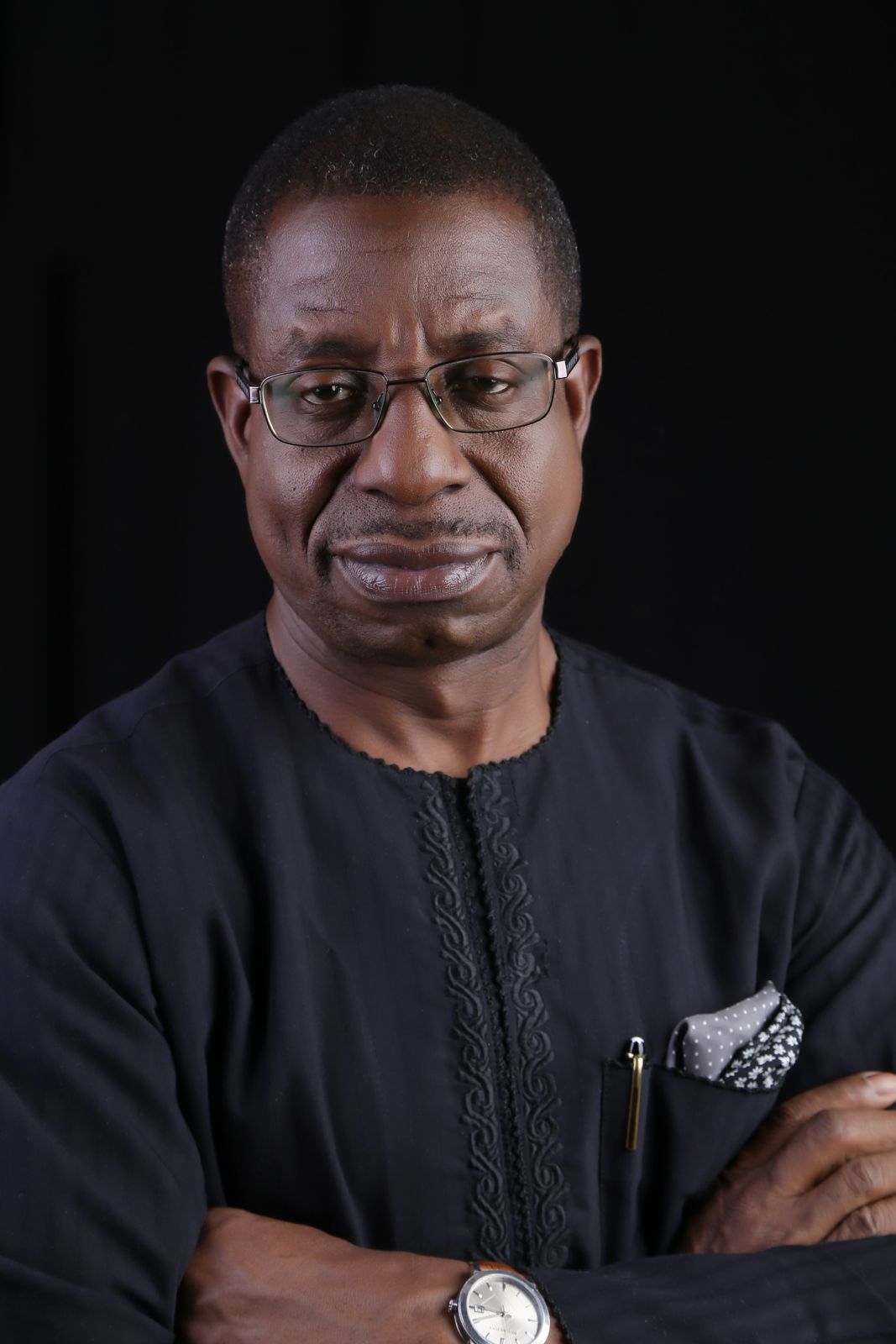

These three poems by Ogaga Ifowodo were especially chosen for The Bala Selection.
The Bala Selection is a bi-weekly poetry feature curated by Ismail Bala for Konya Shamsrumi, showcasing distinctive new voices and resonant works from across Africa and beyond. Through his discerning eye, each selection highlights the craft, music, and emotional clarity that define contemporary poetry in its most luminous form.
Ismail Bala is a poet, translator, and critic whose work bridges classical poetics and modern sensibility, and whose mentorship has shaped a generation of emerging African poets.
I Watch Them Pray, Guns Ready
 I watch them pray, guns ready but laid by the side,
rising-and-bending, rising-and-bending
          in half reverence,
forehead-to-earth, forehead-to-earth
          in full submission — to what God?
As they pray facing where the sun rises,
darkness swells and veils my eyes with tears.

Suffer the little children . . .

I watch them pray to the burnt-black stones
in the armoured cages of their hearts,
under trees cowering from the angry sky,
the air still and stale all day stirs to sweep
their devious words under dead leaves —
       somewhere in blood-dimmed light
       there’s an altar for their prayers?

I watch them pray to the stone in their hearts,
chant in vain as if to wake the dead,
evening whirls them into a hollow ritual
of atoning for crimes still curdling in their veins.
It doesn't matter the hour they pray: shadows
fall on their white thobes, dyeing
them darker than their battle blacks.

And I pray, the sun a dying ember:
have mercy, Merciful God, for schoolgirls
in a world paralysed by prayerful men.

And then they rise. From the tattered
rugs stepped on too solemnly, feet washed
of sinful dust, blood of the slain stowed
beneath fingernails, their faces glowing
with God, ablution and absolution,
prostration and persecution, worshipping
the burnt-black stones in their hearts.
I cannot take my eyes off their faces
now so aflame with divine decrees
to slash and slay, bomb and burn,
snatch and rape, take as slaves, to make
all weep and mourn who survive their God.
I watch their faces glow with the sacred
seal for tomorrow's battle plan:
the book-besotted place to raid,
the infidels to convert at their death,
the believers to slay while they pray,
the acres of crop to set on fire
and the virgin spoils of holy war!
the virgin spoils of holy war!
virgin spoils of holy war!

And soon they are cleaning their guns,
sharpening axes, and sniffing, smoking,
popping pills, scratching a furious itch,
eyes glazed by a dream of heaven in hell, red,
rolling inward, a glimpse of paradise, sinking
into the black hole nothing can fill.

A blackbird, noonheat suddenly softening,
spreads its wings and rides the current to the hill.
Why Does Your God Need a Gun?
 I wanted to say to the holy gunman,
eyes hot triggers of his soul, staring dazed,
stripping me of the coarse conversion clothing
of his feigned faith:

Why does God need a gun?
I am a child, can’t you see?

Is it written on my face:
"This is Satan not in serpent's
      guise but a child's?"

Are you so blinded by lust and blood
you can’t tell I’m not the infidel
that haunts your dreams?


Does holiness burn the brain?
I could be your daughter!

Is breaking hymens and hearts heaven’s harvest?
How many children will you bleed for sacrifice?

If you know so well the mind of God
can’t you see He had me in school and not a harem?

Does holiness burn the brain?
Why does your God need a gun?

To be death and not life,
to destroy all that He made —
tell me, why would God need a gun?
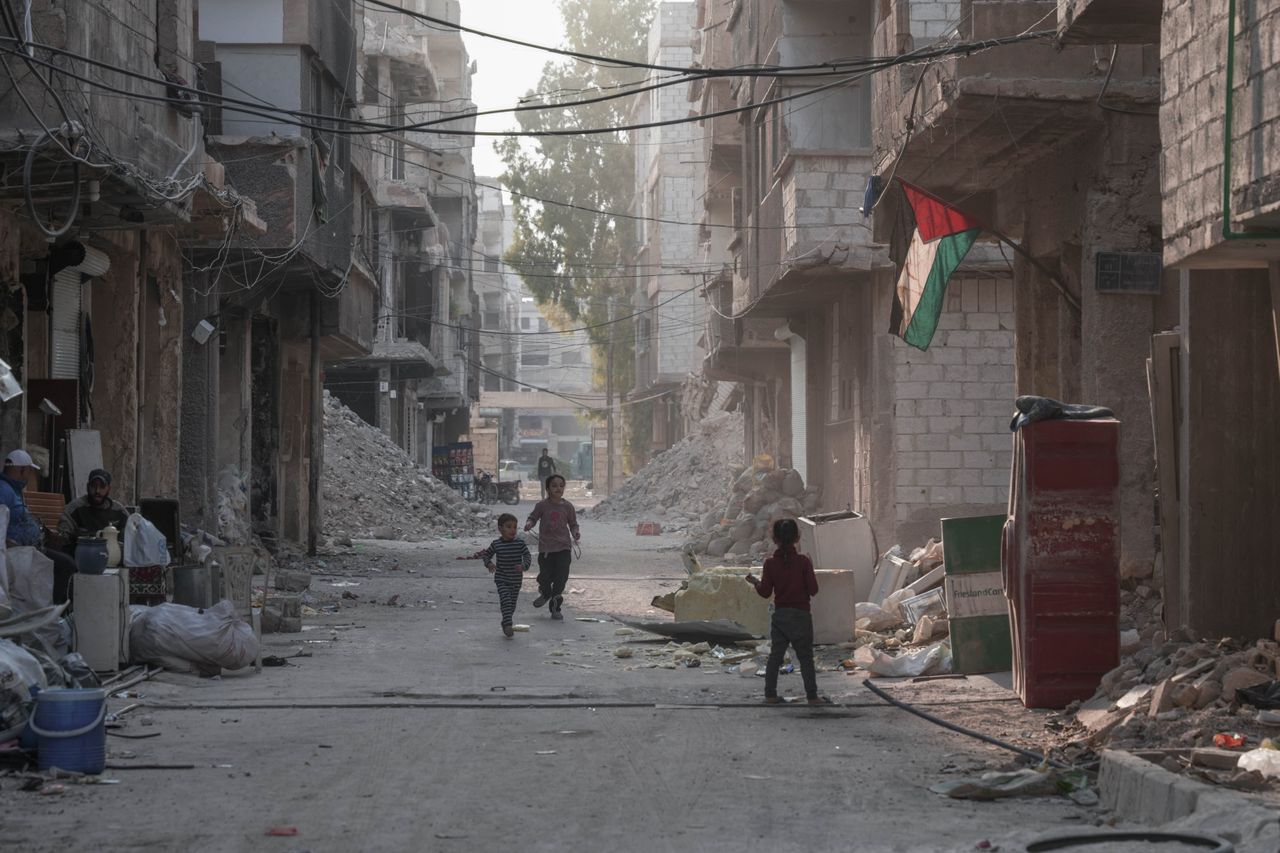
A Window in Gaza
 Which widow's window keeps still
its wooden frame in a wall wobbling
in holy tremor? Is the smoke puffing
         out intermittently, bitterly,
from the eaves above her kitchen door,
as if afraid of discovery, a bomb
hissing its spite on the corpse
bleeding by a pot boiling with the last
cup of lentils in puddle water?

No cruse of oil or cup of flour,
no prophet dishevelled by hunger,
out to astonish into awful faith
and submission to his own Deity
by serving self first: the wonder
of life when all that was left
was giving up the ghost by a burnt brook,
was crumpling into death's waiting arms
after the last supper, absolved haughtiness.

How do you prove your God's power? Above all,
you must blot out the other people's ugly faces,
their eyes boiled eggs or cowries impervious to light,
their hearts relentless drums beaten by the devil
to make your walls crumble at their cloven feet,
above all, doing exactly what was commanded:
to take every inch of the others' habitations,
pointed out and promised to you by your God
(their God lacking a sweet tooth for milk and honey),
sparing no man or woman young or old,
sparing no child in crib or crouched in the stomach.
And not sparing God's image and likeness
         being disinherited
so neither sheep nor oxen,
so neither window in a wobbling wall.

In another hour another cluster bomb
that it may come to pass
window by window, wall to wall,
that which was promised and was written.
About Ogaga Ifowodo
Ogaga Ifowodo, trained originally as a lawyer, obtained his MFA and PhD from Cornell and taught for some years in the Writing Program at Texas State University, San Marcos. He has previously published five collections: Homeland and Other Poems (winner of the 1993 ANA poetry prize); Madiba (winner of the 2003 ANA/Cadbury poetry prize) and The Oil Lamp (winner of the 2005 ANA/Gabriel Okara poetry prize). A Good Mourning and Augusta’s Poodle were shortlisted and longlisted, respectively, for the NLNG prize. Why Does God Need a Gun? is his sixth volume. His poems have been widely published in several anthologies and literary journals across the world, including Presence Africaine, Voices from all Over: Poems with Notes and Activities, The Times Literary Supplement, Poetry International, The Massachusetts Review, Crazyhorse, English in Africa, The Dalhousie Review, Atlanta Review, Mantis and Migrations (an Afro-Italian anthology selected by Wole Soyinka). He has also published the scholarly work, History, Trauma, and Healing in Postcolonial Narratives: Reconstructing Identities (New York: Palgrave Macmillan, 2013). He is a recipient of the Barbara Goldsmith Freedom-to-Write Award of the American PEN Centre, the Free Word Award of the Netherlands-based Poets of All Nations, an honorary member of the PEN Centres of the USA, Canada, and Germany, and a fellow of the Iowa Writing Programme. He was Assistant Professor of English at Texas State University until 2014, when he returned to Nigeria. He is also a columnist. In proof of Shelley’s declaration that poets are the unacknowledged legislators of the world, he lost his bid for the Nigerian House of Representatives in 2015 and for a seat in the Delta State House of Assembly in 2021!