

“The poems in The Architecture of Curtains reject the finality of resolutions. This chapbook interrogates the fragile boundary existing between the inner and external components in the complex existence of life.“
— Odu Ode, Publisher.
In these four poems, Ismail Bala moves between boyhood, longing, solitude and the strange intimacies of memory, finding in rain, flowers, palms, bicycles and the body itself ways of thinking about what cannot easily be named. His poems are attentive to the small tremors of experience—the moment before rain, a voice remembered, sorrow outrun by motion—
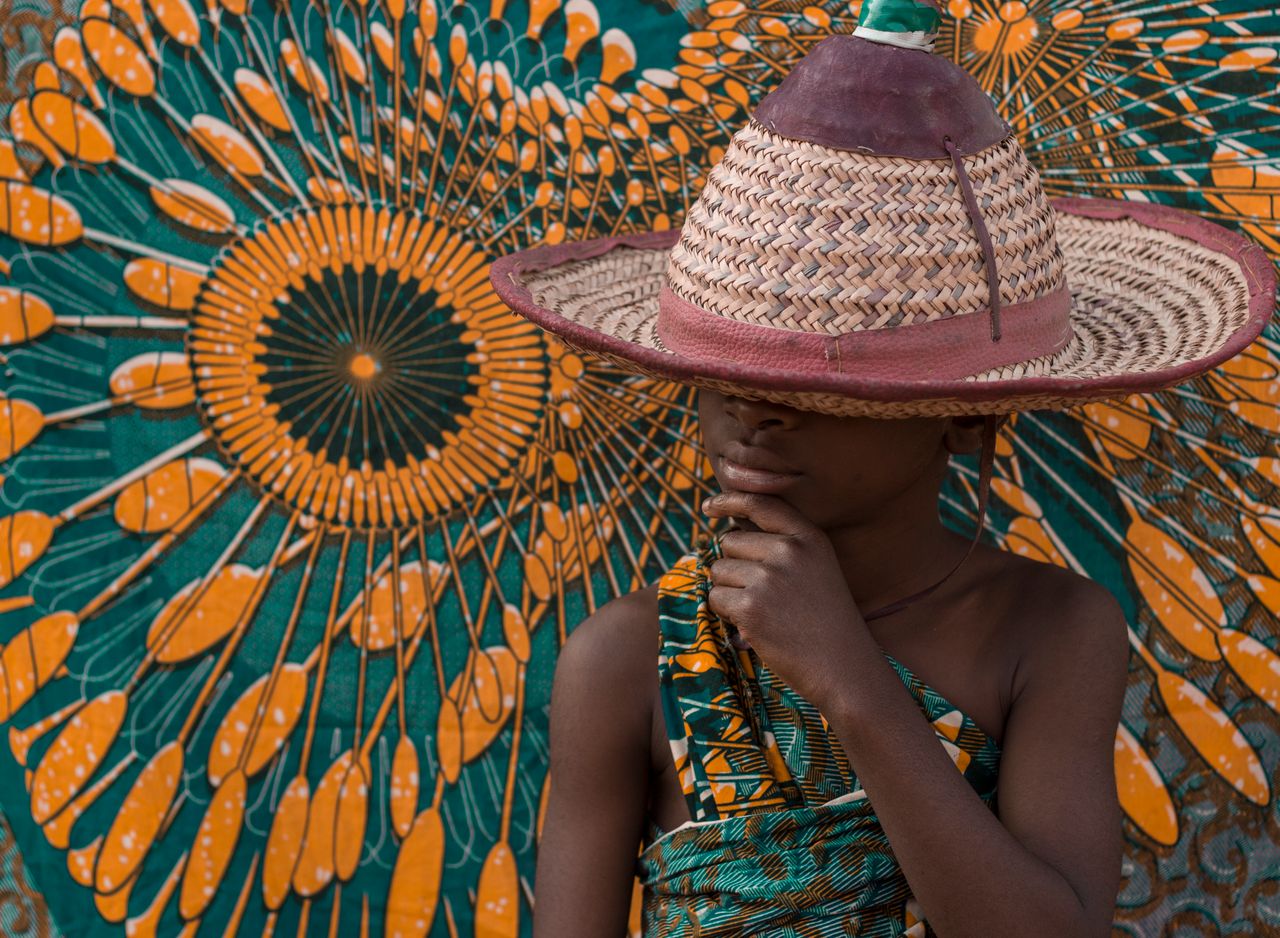
![[Preview] Four Poems from The Architecture of Curtains | Ismail Bala](https://shamsrumi.org/wp-content/uploads/2026/09/WhatsApp-Image-2026-09-10-at-12.39.15-1024x683.jpeg)
and to the larger forces of becoming that move beneath them. Across these pieces, the natural world is never merely scenery; it becomes a language through which consciousness, desire and time reveal themselves.
Konya Shamsrumi
The Architecture of Curtains by Ismail Bala
Boyhood
 What is truth?

Flowered among fresh, awakening shoots
From this instant learning how to draw breath
Like the seed of the doum palm
The current that fuels a rapturous ceremony
Where every day bears the mark of Friday

The blockage in the artery
The faint astral breeze
The atom's slick beginning
The life-force that barrels through everything before it
Pressed in, it clears a passage that will not be refused
The uncharted path
For the green serpent gliding forward by itself
Still farther from its shed skin
To the vast sun's astonishment
No longer ready to flood it at once with life
Tender Twig
 First rain lifts from the dust and enters the room,
A scent like memory unfastening itself.
I think of your voice then-
How it used to arrive softly,
As if unsure whether to stay,
Like a small bird worrying a tender twig
Before trusting it with its weight.

Outside, the fire has quieted into embers.
The season should be green by now,
Yet the hibiscus near the wall
Holds on to two pale blossoms
As if they were the last words
Of something unfinished.

I have no news, no argument,
Only this evening settling around me,
And the strange way longing survives
In the smallest things:
A glass on the table,
The damp edge of the curtain,
The hush before another rainfall.

It is enough, perhaps,
To speak your name inwardly
And feel the room answer
With the faintest trembling.
Before the Poem Finishes
 She goes barefoot,
Living far from any centre,
Where even something insignificant can delight her
Or suddenly set her off.
She mutters her frustrations quietly,
And my own body tightens in response—
A headache twists my stomach and rises toward my throat.

Sometime later,
She is still sliding downward,
Moving through open air,
Calm within the drifting traces of her unrestrained letting go.

Before the poem finishes,
Before time itself grows irritating,
The rain will surely fall hard.

Here—on a chair or lying in bed—
She passes most of her life,
Most hours of her days,
Sitting with silence, thinking.

At night,
She listens
As an old doum palm
Deepens its green.
The Velocity of Solitude
 A child once claimed
if he moved with enough speed
his sorrow wouldn't have the breath to find him,

the finest excuse I've encountered
for seeking a trophy.

What I ponder now
pushing the pedals through the city's evening
is if the same rule applies to wheels.

A triumph! To drop your heaviness
exhausted on a curb somewhere
while you drift unburdened into a cluster of wild lilies,
white blooms that have no concept of ache,
regardless of the stillness of their descent.
Ismail Bala is a poet, translator, and critic whose work bridges classical poetics and modern sensibility, and whose mentorship has shaped a generation of emerging African poets. He teaches at the Bayero Univeristy, Kano.
