
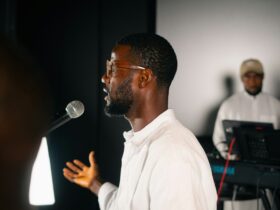
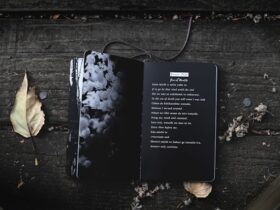
This is why I believe that, when reading a poem, we should pay less attention to what we imagine the poet intended to say and more attention to what the poem itself communicates. Instead of asking only, What has the poet said? we should also ask, What is the poem saying? What does it evoke in me? What meanings can I discover in its images, symbols, metaphors, language, structure, and silences?
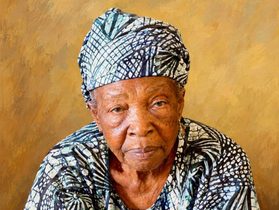
I think about this now, sitting beside her bed, listening to the difficult machinery of her breathing, and I find myself revisiting some of the memories I had filed away as childhood grievances. .. Age has a way of returning old memories to us with their labels removed.
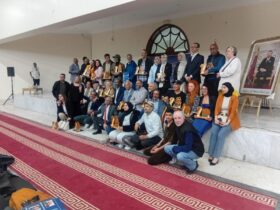
I would go on to discover that the opportunity to read poems in Morocco liberated the silenced voice within me: the empathic pain I had carried in my body, shaped by the violence of the world, by barbarity that tears away people's dignity and lives.
Seen through the symbolic lens of alchemy, Babale’s self-fashioning as “Poet of Light” works out a transmutation of value: what history has rendered base or obscured—blackness, the self denied—is worked upon until it gleams with renewed worth. Like the alchemist who turns lead into gold, she converts silence into speech and stigma into power, not through softness but through a revelatory force that disturbs settled orders. Her illumination is thus a form of spiritual alchemy—witchcraft as transformation—where revelation does not merely disclose truth but remakes the terms by which beauty and being are known.
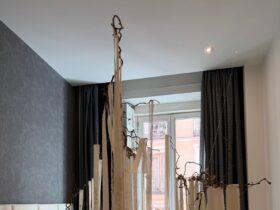
Being on a cloud, once in a while, is the poet’s strategy for finding inner peace in a world in a rush and stressed—a sensation visitors may experience through the installation's sensory experience.

That being said. What on God’s green earth is wrong with you? I do not understand you at all! You have caused me a lot of trouble, embarrassed me, put me in situations where only the Grace of God saved me, and made me look stupid in places where I was supposed to maintain my steeze. And if you cared to know anything about me, you would know that I take my steeze seriously.
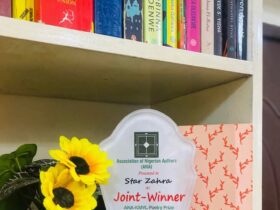
Girls and the Silhouette of Form deepens her exploration of womanhood, form, and memory. Beyond writing, she creates textile art that engages cultural preservation, sustainability, and the composite African experience.

Zahra’s literary journey began early. Her debut collection, The Dance of Dawn (2018), published when she was just seventeen, went on to be adopted as a set text at the University of Abuja and other institutions. With Girls and the Silhouette of Form, she not only expanded her poetic voice but also made history as the first female poet published by Masobe Books, the vibrant publishing house founded by Othuke Omniabohs.
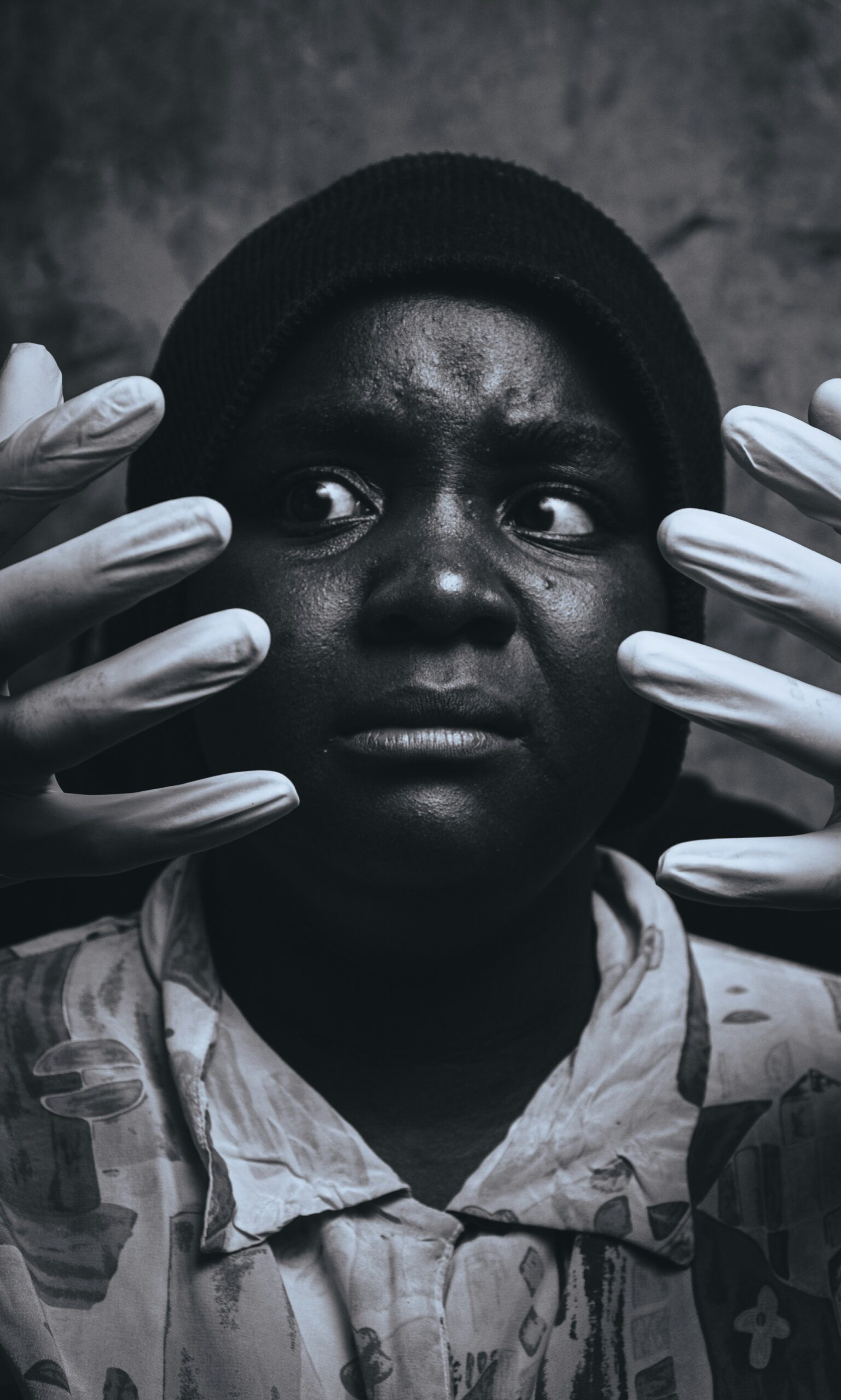
No one wants a gathering of aunts. They will sit in a semi-circle, with me before them: head low and my shame a halo above my head. They will pass my poem from one bewildered hand to another. It will be a love poem. They will shake their heads; make a valley out of their mouths, clap their hands, and let out both audible and inaudible sighs. They will look at me with eyes carrying both disappointment and wonder. They will wonder how I am able to write all these things. Wonder how I even know these things exist, the child that I am. They will try to reconcile their sweet daughter with the stranger on the page. Then they will ask for the identity of the one who has taken my heart..
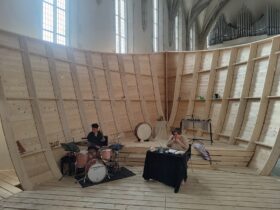
Perhaps, given the new shame in so many places around the world, it is especially urgent for humanity not only to read “Es werde liecht” (Let there be light) but also to live it.