
Ever since I was in Nursery school, I fell in love with those nursery rhymes and songs that even at home, I was always with my book simply because I wanted to recite it.

Bash Amuneni, renowned Nigerian spoken words poet has been appointed as the new poet in residence (Poet Laureate) for the Portsmouth Football Club, an England club with 126 years of history.

However as I grew older shyness overcame the confidence that I initially had and I did not get to interact with poetry again up until I got to university.


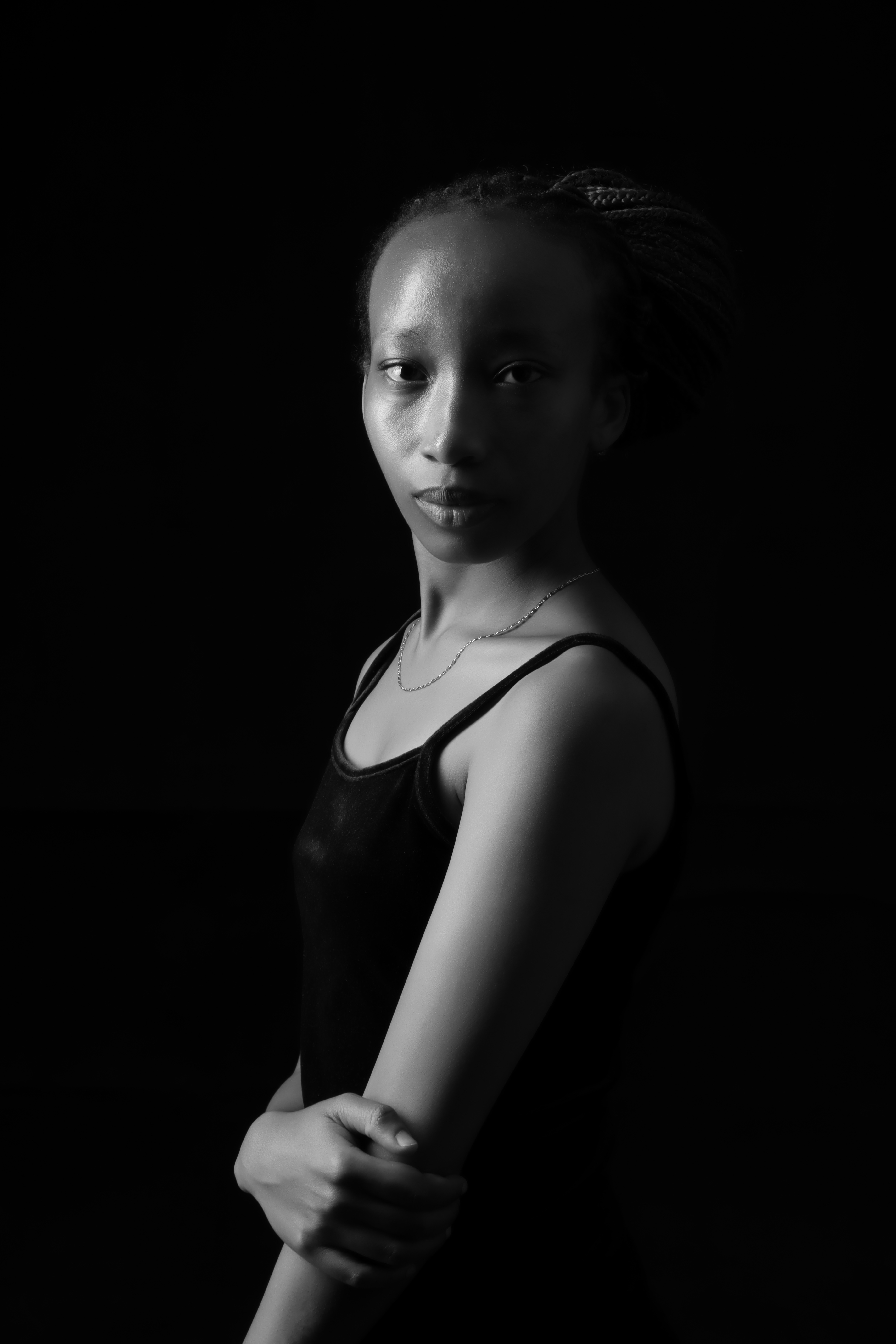
My sense of identity is that of an observer making sense of scenery that presents itself. More like a camera capturing what is presented as it interprets the images into photos. But I must admit that even as lenses get blurry.

Initially, poetry was just another subject in school, words strung together, one after the other. As a child, my mind was more focused on the empty cans waiting to be filled with sand or crushing biscuits into paste to bake into cake. I don’t know where the concept of time immemorial fits into the corners of my memory, but words have always lived somewhere in my heart. I just didn’t know exactly where, so I never bothered to visit.